
9. 4. 2026
Airports a driving force behind real estate market; Prague ranks among the fastest-growing in Europe
European airports handled a record 2.6 billion passengers in 2025, a 4 percent increase year-on-year, with a further 5 percent increase expected this year. By 2034, average annual growth in air traffic arrivals is projected to grow by 4 percent per year. Intra-EU flights are the dominant driver of this growth; travelers between European countries will account for roughly 77 percent of all arrivals here in 2026.
“Air travel accounts for 56 percent of all visitors to European countries. It is by far the most important way tourists move around the continent, with road transport trailing far behind at 36 percent. However, airports today serve not only as transportation hubs but increasingly as catalysts for broader economic and real estate development in their surrounding areas,” says Josef Stanko, Director of Market Research at Colliers.
Aviation boom attracts capital and development
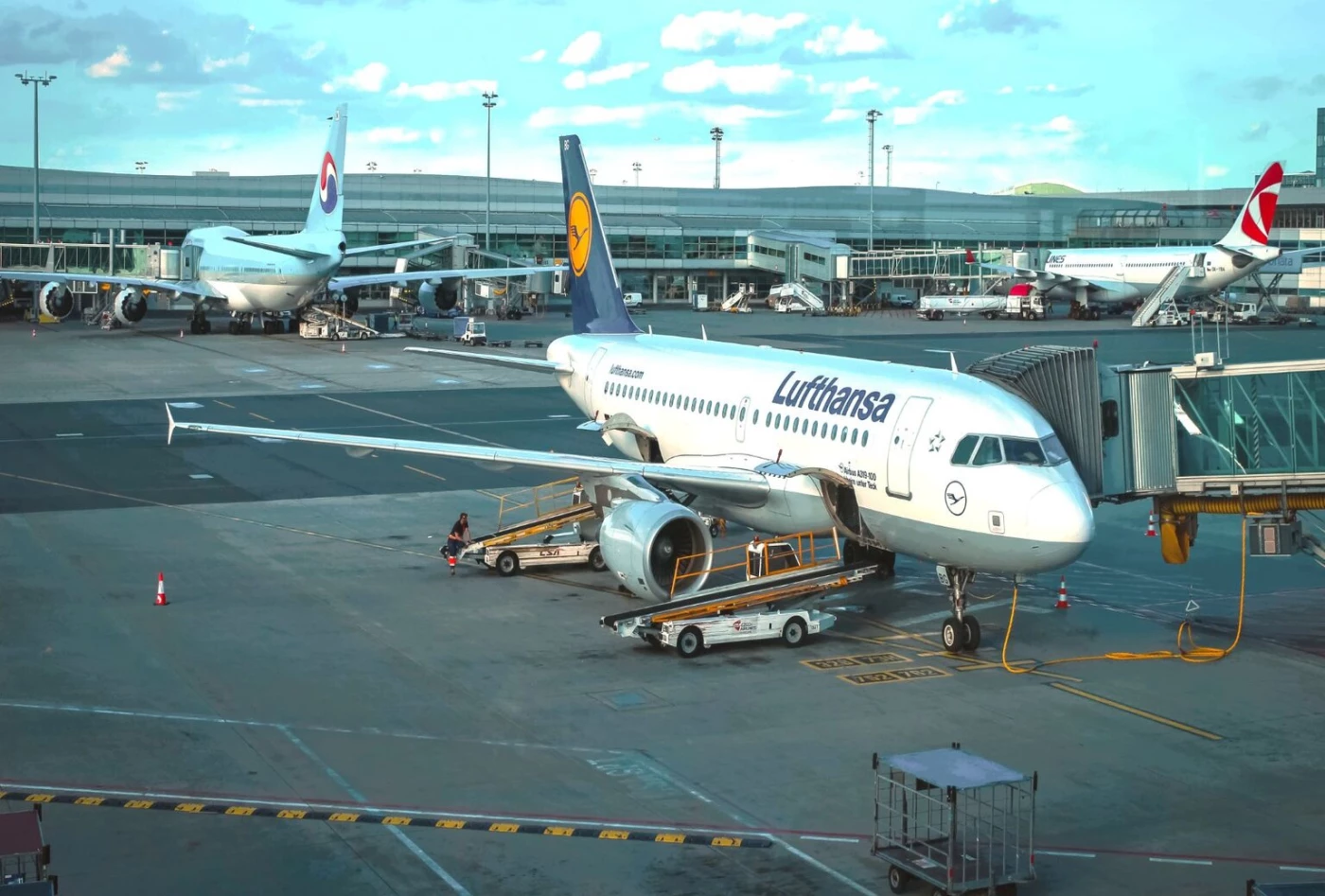
Prague’s Václav Havel Airport recorded year-on-year passenger growth of over 17 percent, placing it alongside Liverpool, Budapest and Kraków as one of the fastest-growing airports in Europe with over five million passengers annually. All of these airports have further plans to expand their capacity. This growth is becoming increasingly attractive to investors—it often opens up new locations for development and attracts capital that would otherwise flow only to the largest European hubs. Even those cities, however, will likely see significant expansion. London Heathrow has received government approval to begin the permitting process for a third runway, which is expected to increase capacity to 150 million passengers per year by 2035; last year, the airport handled approximately 84 million passengers.
Istanbul is expanding even faster. That city’s new international airport, upon completion in 2028, is expected to reach a capacity of 200 million passengers, and Istanbul’s second airport Sabiha Gökçen—currently with a capacity of around 80 million—is also set for expansion. Istanbul’s geographical location at the crossroads of Europe and Asia makes it a natural transportation hub that will become increasingly important.
Spanish operator Aena has announced a €13 billion investment in airport expansion, with nearly half of that going to Barcelona and Madrid. The remainder will go to popular tourist destinations such as Málaga, Alicante and Valencia. Rome Fiumicino plans to double its capacity to 100 million passengers by 2046. And Amsterdam Schiphol expects to grow from 67 million to 85 million passengers by 2035, thanks to more modern aircraft capable of carrying more passengers.
Analysts thus expect the total capacity of Europe’s ten largest airports to increase by 60 percent over the next 25 years, approaching one billion passengers annually. This boom is not only transforming airports’ infrastructure itself but is also spilling over into their wider surroundings—from hotel capacity and retail to logistics and office projects.
Growth in revenue and new concepts
As the number of arrivals increases, so does tourists’ and travelers’ spending—their purchases in key European destinations are estimated to grow at a rate of four to five percent annually through 2034. A significant portion of this spending comes from the food and beverage sector, which currently accounts for roughly 22 percent of total tourist spending in Europe. Further growth in demand will also be driven by the return of visitors from Asia and the Pacific islands region (APAC), whose arrivals are expected to return to pre-pandemic levels by 2027 and subsequently grow at a rate of around seven percent annually—faster than that of travelers from other regions.
Project structure has also reacted to this trend—experiential concepts in retail, gastronomy and services are gaining traction as they are able to capture short-term but intense demand from travelers.
“Airports are no longer just gateways to a city. They are becoming economic engines—and for the real estate market, one of the key indicators of future growth,” says Josef Stanko, noting that the growth in air travel is impacting not only the hotel, retail and food service sectors, but also other areas of commercial real estate. Demand is growing in the vicinity of airports for logistics parks and distribution centers, which benefit from connections to international transport. At the same time, office and flexible workspaces cannot be overlooked either.